This is the 5-th version of my personal blog.
I still have the backup of the 4-th, 3-rd and 2-nd. Later i want to roll them on some separate hosts.
The first version from 2003 is seems lost. But i still hope to find it somewhere in archives.

This is the 5-th version of my personal blog.
I still have the backup of the 4-th, 3-rd and 2-nd. Later i want to roll them on some separate hosts.
The first version from 2003 is seems lost. But i still hope to find it somewhere in archives.
It seems the MCP hype is starting to slow down a bit. After 6–8 months of high enthusiasm, the community is beginning to realize that MCP is not a magic bullet. In some MCP listings, you’ll find more than 10,000 servers doing all sorts of things. Naturally, many of them are useless—spun up by enthusiasts just to see what MCP is all about.
But some of these servers are actually useful.
In this post, I want to share my thoughts on building the most universal MCP server—one that can adapt to almost any use case.
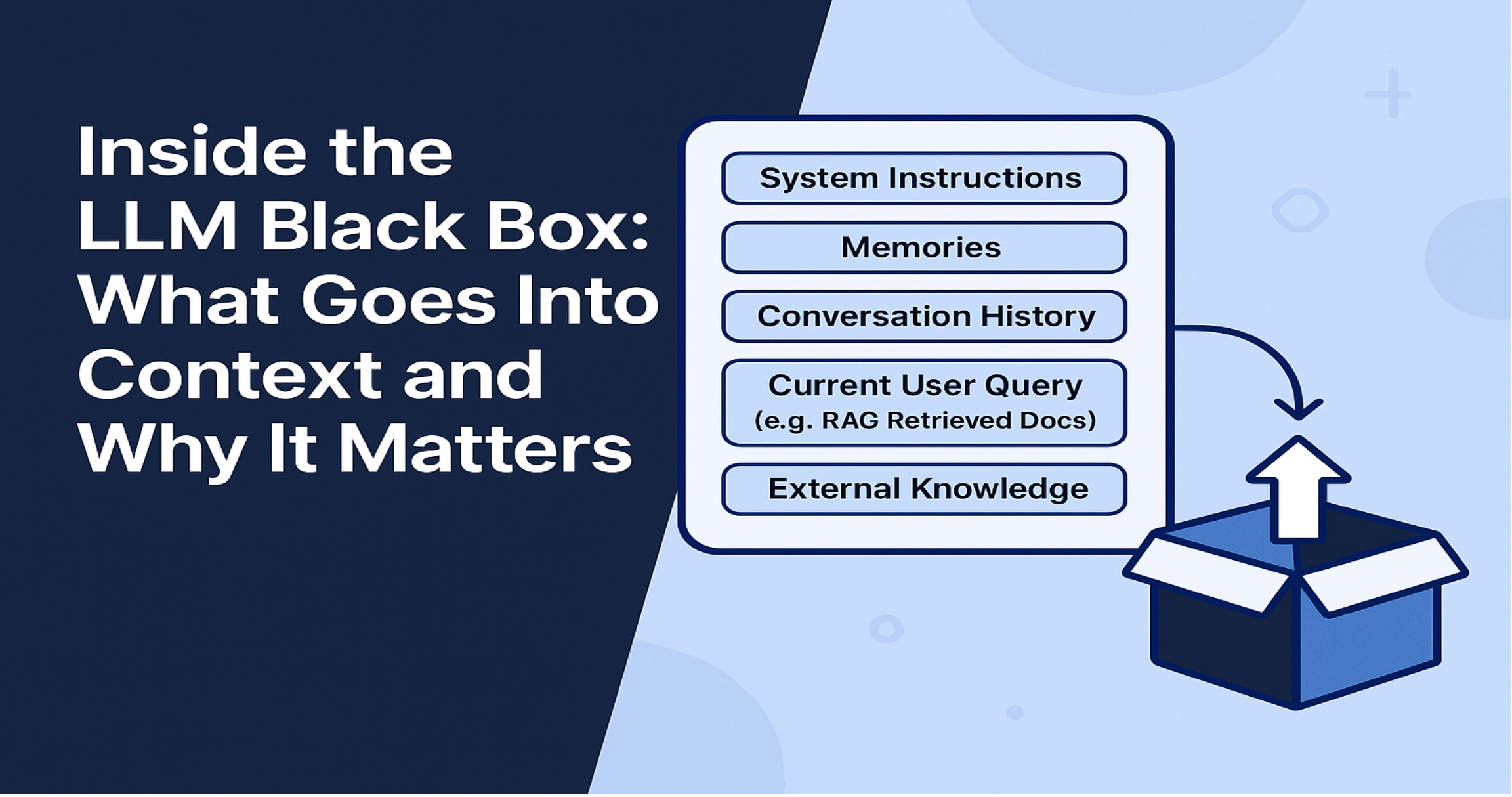
Великі мовні моделі (LLM), такі як GPT-4, Claude, Mistral та інші, здаються розумними у своїх відповідях — але справжня магія полягає в тому, як вони сприймають і інтерпретують контекст. Розуміння того, що входить у контекст LLM і як це впливає на результат, критично важливе для розробників, дослідників і дизайнерів продуктів, які працюють із генеративним ШІ.
У цій публікації я хочу дослідити складові контексту, його структуру, обмеження та взаємодію з найбільш поширеними сценаріями використання, такими як використання інструментів (Tools, MCP) і включення додаткових знань з Retrieval-Augmented Generation (RAG).

I continue to explore one of my favorite topics: how to make AI agents more independent. This blog is my way of organizing ideas and gradually shaping a clear vision of what this might look like in practice.
When large language models (LLMs) and AI chat tools first started delivering truly impressive results, it felt like we were entering a new era of automation. Back then, I believed it wouldn’t be long before we could hand off any intellectual task to an AI—from a single prompt.
I imagined saying something like:
"Translate this 500-page novel from French to Ukrainian, preserving its original literary style."
And the AI would just do it.
But that dream quickly ran into reality. The context window was a major limitation, and most chat-based AIs had no memory of what they'd done before. Sure, you could translate one page. But across an entire novel? The tone would shift, the style would break, and continuity would be lost.
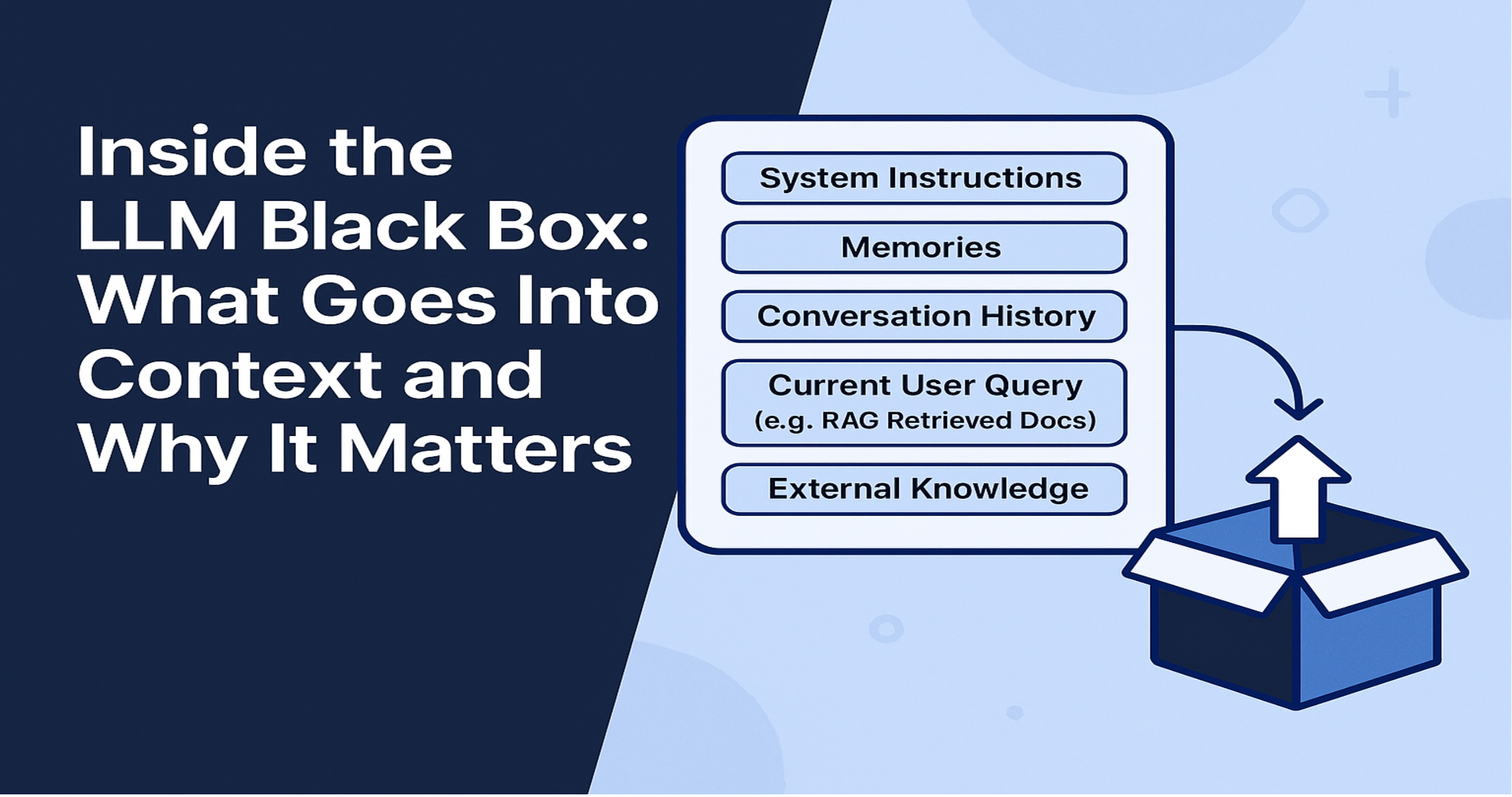
Large Language Models (LLMs) like GPT-4, Claude, and Mistral appear to produce intelligent responses — but the magic lies in how they consume and interpret context. Understanding what goes into an LLM's context and how it shapes output is critical for developers, researchers, and product designers working with generative AI.
This post explores the components of context, how it's structured, how it's limited, and how advanced use cases like tool usage and retrieval-augmented generation (RAG) interact with it.
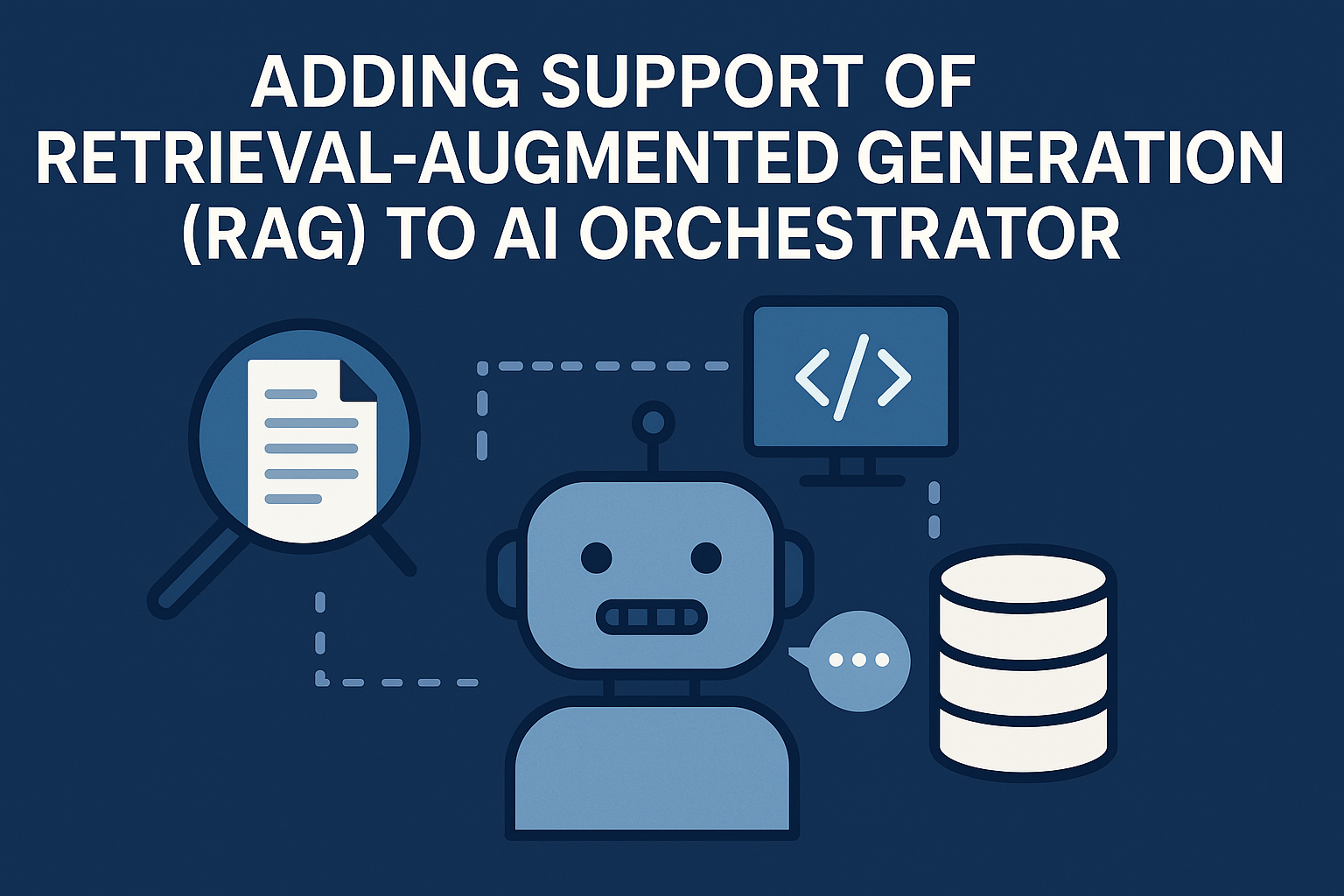
Good news! I've extended my lightweight AI orchestrator, CleverChatty, to support Retrieval-Augmented Generation (RAG) by integrating it using the Model Context Protocol (MCP).
RAG (Retrieval-Augmented Generation) is an AI technique that enhances language models by retrieving relevant external documents (e.g., from databases or vector stores) based on a user’s query. These documents are then used as additional context during response generation, enabling more accurate, up-to-date, and grounded outputs.
MCP (Model Context Protocol) is a standard for how external systems—such as tools, memory, or document retrievers—communicate with language models. It enables structured, portable, and extensible context exchange, making it ideal for building complex AI systems like assistants, copilots, or agents.
CleverChatty is a simple AI orchestrator that connects LLMs with tools over MCP and supports external memory. My goal is to expand it to work with modern AI infrastructure—RAG, memory, tools, agent-to-agent (A2A) interaction, and beyond. It’s provided as a library, and you can explore it via the CLI interface: CleverChatty CLI.